Back in ’82
/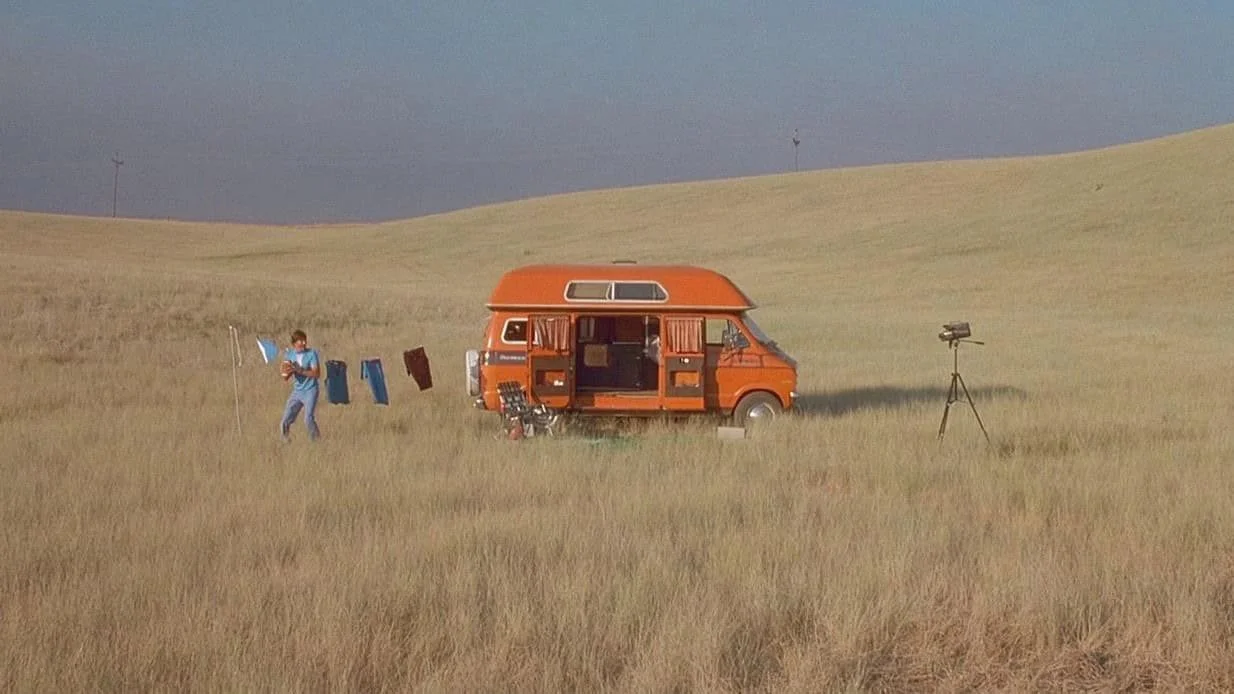
Our first glimpse of Uncle Rico (Jon Gries) in Napoleon Dynamite (2004)
Just about this time a couple years ago, I reflected on the pain and melancholy running through some old kids’ films like Angels in the Outfield and The Land Before Time. I’ve been pondering that again thanks to an unlikely film: Napoleon Dynamite, which I introduced to my kids over the weekend.
Napoleon Dynamite, like I noted about those other movies, is not Shakespeare or serious drama, but it’s well enough made and true enough to life to suggest more upon repeat viewings—especially when those viewings are separated by a decade or so. It’s been at least fifteen years since I watched it. When I last saw it in my twenties, it was pure quirky goofiness, like Mormon Wes Anderson costumed by a rural thrift store. Watching it with my kids in my early forties, I was not surprised to laugh again—especially since my kids thought it was a such a hoot—but I was surprised at how sweet, poignant, and melancholy I found it.
There’s a lot of unremarked upon pain in Napoleon Dynamite. Why do Napoleon and Kip live with their grandma? Where are their parents? How long has it been like this? Years, to judge by Napoleon’s behavior. His diaphragm-deep sighs are both hilarious and suggestive of repeated disappointment and frustration. Pedro, too, as comically stoic as he is, panics at least twice in the movie and develops psychosomatic fevers. They’re both holding a lot in. One sympathizes.
But there is also the case of Uncle Rico. He’s one of the movie’s sort-of villains, but is perhaps more fully developed than almost all of the other characters and actually talks about his melancholy several times. We learn that he is separated from Tammy, who is presumably his wife. His bluff, cocky way of dismissing Kip’s concern is funny when you’re in your twenties and suggests he’s hiding something—his own misbehavior, or simply how much it hurts—in your forties. He approaches his pitiful door-to-door Tupperware sales job with a confidence that smacks of desperation. He’s trying, but trying to do what?
The movie backs all this up visually. It introduces Uncle Rico utterly alone, in a beautiful and desolate landscape shot. His weird behavior only underlines what we grasp intuitively. And his first substantial scene, eating steak on the steps with Kip, gives us his “Back in ’82” monologue, which is hilariously pathetic, recognizable (the guy who peaked in high school is such a well known type he would be a cliche if he weren’t real), and sad. Uncle Rico is lonely and filled with regret—the football memories are just the way he can safely handle it.
It helps immensely that Jon Gries is a good actor. Watch him in that scene and look at the emotions that pass over his face. As with so much else in the movie, it’s both funny and poignantly done.
Not that Uncle Rico should be viewed more sympathetically. He’s a manipulative con man and liar who turns into a creep as the movie goes on. If this were his story rather than Napoleon’s, it’d be about hitting rock bottom. But at my age Uncle Rico is less of a joke than he used to be. He’s a there but for the grace of God caricature who proves both poignant and cathartic to laugh at.
I don’t want to get too far up the movie’s own tail end, because Napoleon Dynamite is a comedy. But part of what makes it funny is how identifiable it is—at least for those of us who were awkward and frustrated in high school. And, like all great comedies, that seam of melancholy only makes the humor deeper and richer and its little notes of redemption, as for Uncle Rico, to whom Tammy returns in the final seconds, more moving.